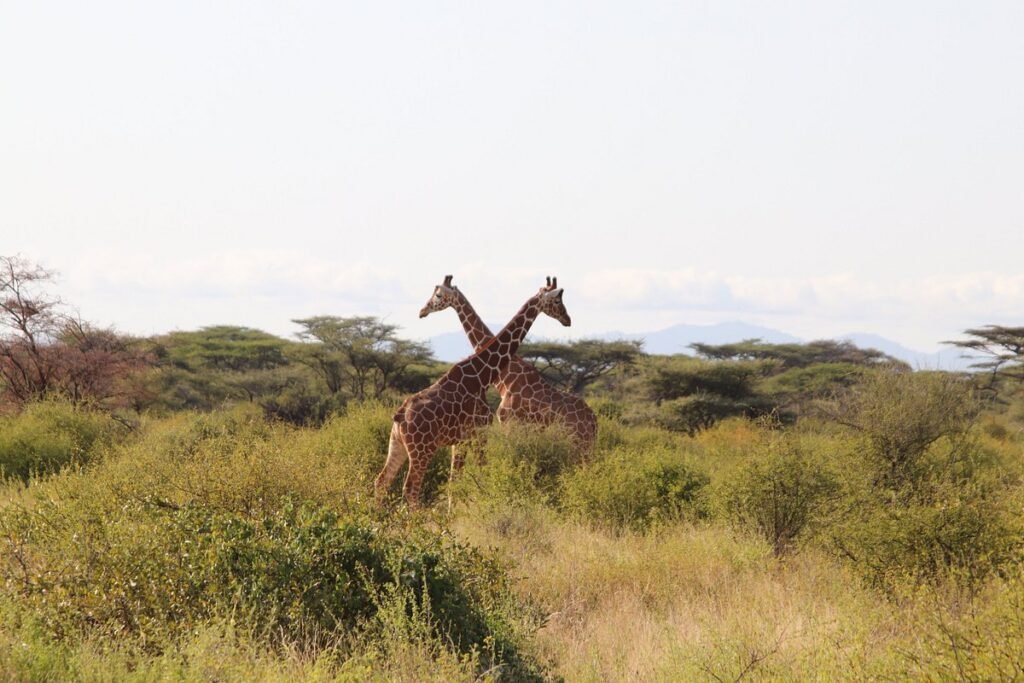
Everything first-time and returning visitors need to plan a safe and memorable Kenya safari.
Visa Requirements for Kenya
Kenya introduced an Electronic Travel Authorisation (eTA) system in 2024, replacing the traditional visa. Most nationalities — including USA, UK, EU, Australia, Canada — apply online before travel.
Apply at etakenya.go.ke — processing takes 1–3 business days
Cost: approximately USD $30 for most nationalities
Validity: single entry, 90 days
East African citizens (Uganda, Tanzania, Rwanda, Burundi) enter visa-free
Tanzania visa: separate application required for KTZ safaris — we assist with guidance
Health & Vaccinations
Consult your doctor or travel health clinic at least 6 weeks before departure. Common recommendations for Kenya:
Malaria prophylaxis — strongly recommended for safari parks (Malarone, Lariam or Doxycycline)
Yellow Fever — required if arriving from a yellow fever endemic country; certificate may be checked
Routine vaccinations — Hepatitis A, Typhoid, Tetanus (check these are up to date)
Hepatitis B, Rabies for longer stays or bush activities
Bring a good insect repellent (DEET 30–50%) — mosquitoes are active at dawn and dusk
Best Time to Visit Kenya
Kenya is a year-round destination — but different seasons offer different highlights.
July–October: Peak season — Great Migration in Masai Mara, dry weather, best game viewing. Book 6–12 months ahead
January–March: Excellent game viewing, warm and sunny, wildebeest calving in Serengeti (February)
December: Wildlife very active. Great for families during school holidays
April–June: Long rains — green and lush, low season rates, fewer crowds. Some dirt roads may be challenging
November: Short rains (usually brief). Migrant birds arrive — excellent for birdwatching
Best Time to Visit Kenya
Kenya is a year-round destination — but different seasons offer different highlights.
July–October: Peak season — Great Migration in Masai Mara, dry weather, best game viewing. Book 6–12 months ahead
January–March: Excellent game viewing, warm and sunny, wildebeest calving in Serengeti (February)
December: Wildlife very active. Great for families during school holidays
April–June: Long rains — green and lush, low season rates, fewer crowds. Some dirt roads may be challenging
November: Short rains (usually brief). Migrant birds arrive — excellent for birdwatching
Currency & Money in Kenya
Kenya’s currency is the Kenya Shilling (KES). Most safari transactions are in USD.
ATMs available in Nairobi, Mombasa and Diani — Visa and Mastercard widely accepted
USD cash (clean notes, post-2006) useful in parks and bush camps
Tipping: guides typically KES 1,000–2,000/day; lodge staff USD $5–10/day per person
Mobile money: M-Pesa is widely used across Kenya for local transactions
Bureau de change available at JKIA airport and in Nairobi CBD
Getting to Kenya — JKIA Airport
Kenya’s main international gateway is Jomo Kenyatta International Airport (JKIA), Nairobi — code NBO.
Direct flights from London (Kenya Airways, British Airways), Amsterdam (KLM), Paris (Air France), Dubai (Emirates, flydubai), Doha (Qatar Airways), Istanbul (Turkish Airlines)
From the USA: connecting flights via Amsterdam, London, Doha or Dubai
Domestic airports: Wilson Airport (Nairobi — for bush flights), Moi International (Mombasa), Ukunda Airstrip (Diani)
We offer JKIA airport pickup and drop-off — just let us know your flight details
Connectivity & Communication in Kenya
Mobile network: Safaricom offers the best coverage including 4G in most national parks
SIM cards: available at JKIA arrivals — Safaricom recommended. Bring an unlocked phone
WhatsApp: the primary communication tool — our team is always reachable via WhatsApp
Wi-Fi: available at most Nairobi hotels and many lodges; very limited in deep bush camps — use it as a digital detox!